It has been challenging to find art that reflects – or even hints at – the complex dynamics between adults and their parents, especially in-law relationships. Much of the art we have come across are simple portraits, parent and child looking at the viewer, without conveying much nuance about their relationship.
As we build this gallery, we’ve come across some exceptional illustrations of these relationships – each one portraying notions and passions of being whole, of being alone, or the complications of connecting as family.
Click on an image to reveal more information about the artwork. Please leave your comments and suggestions below.
George Dawe, Naomi and her Daughters. Exhibited 1804. UK.

José Guadalupe Posada, Fight between mothers-in-law from a broadside entitled ‘Pleito de suegras’, ca. 1880–1910. Mexico.

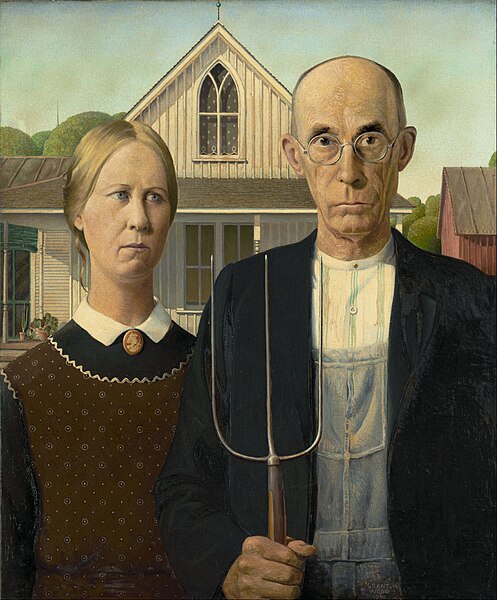
Grant Wood, American Gothic, 1930. USA.
Frida Kahlo, My Grandparents, My Parents, and I (a.k.a. Family Tree). 1936. Mexico.

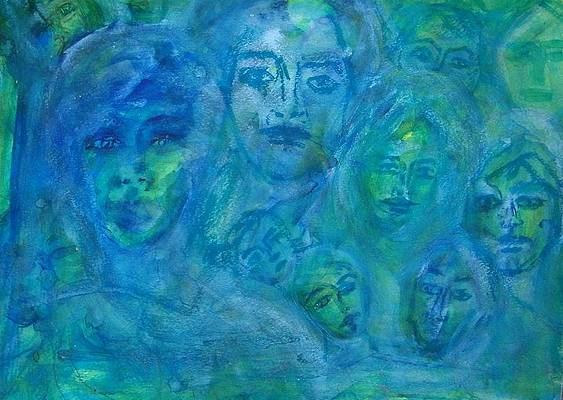
Judith Redman, Extended Estranged Family. 2010. USA.
Artist Statement: “Art has helped me to heal my wounds…I love to do paintings that evoke feelings in myself and others. Some of my work is very raw because it comes from my heart and gut. It is about real situations, real people, real feelings…Any good paintings I’ve done, I have help from someone…My paintings are my life and my emotions in visible form.” Visit Redman’s website.
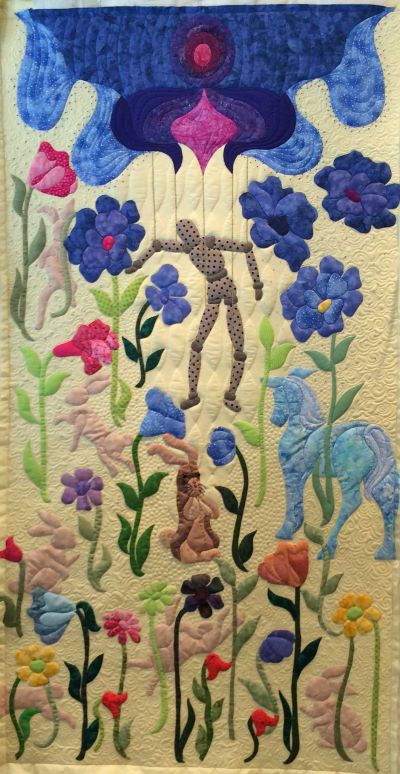
Sandra Small Proudfoot, Wall of Silence. 2016. Canada.
Artist Statement: “Margery Williams’ book, The Velveteen Rabbit, inspired this art quilt focused on family estrangements. Rabbit, rejected by the child who loved him, asks the Skin Horse, “when a child loves you for a long long time…does it hurt?” Always truthful, the Skin Horse replies: “Sometimes.” www.sandysmallproudfoot.com
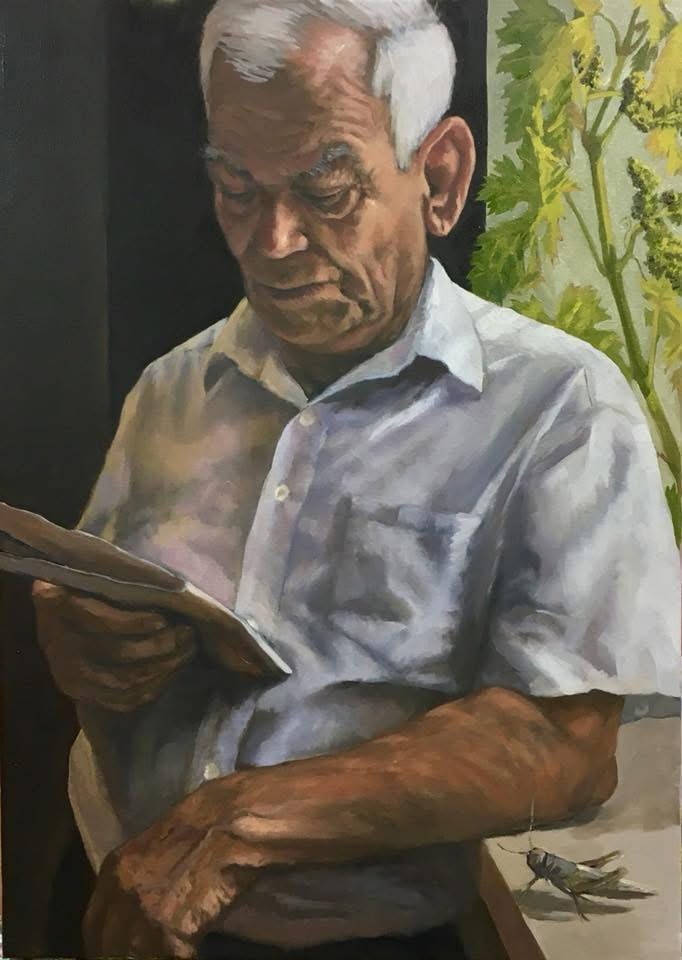
Gaetano Tommasi, Lettera al padre (Letter to my father), 2018. Italy.
Artist Statement: In Lettera al padre, my father reads an imaginary letter from me. At his side, almost unnoticed, a cricket appears — a discreet alter ego, my hidden voice taking shape in the fragile body of an insect. If the letter represents the invisible dialogue between father and son, the cricket becomes its incarnation: a mediator between silence and word, between absence and presence.
Also included in the Contemporary Gallery of the Center for Families & Animals.
 Family Spirals®