We are building a global, trans-historical archive exploring how individuals and cultures reckon with other animals. Our focus is inherently relational: What do animals mean to us symbolically? What do they impart about human nature? How are they meaningful to us, and how are we meaningful to them? By paying close attention to narrative story, painterly form, and shifting historical patterns, we examine the deep contradictions and profound resonances that define the “human-animal bond.”
Curation and Commentary by Eric Greene
Historical Survey • Global Perspectives • Contemporary Gallery
❖ Sister Exhibition: Animals, Nature, and Grief (Green Pet-Burial Society)
Historical Survey
Animal representation throughout history has served as a mirror for human civilization, from ancient spiritual reverence to classical allegory. The works in this gallery track these cultural perspectives from the medieval period through the mid-20th century, exploring how diverse traditions recorded their relationships with animals and the natural world. What is especially striking is that perspectives we consider uniquely contemporary were also reflected in art across cultures and centuries – a welcome testament to the human capacity for love and understanding.
Paintings are presented in chronological order (with allowances for undated works). Click on any image for artwork details.

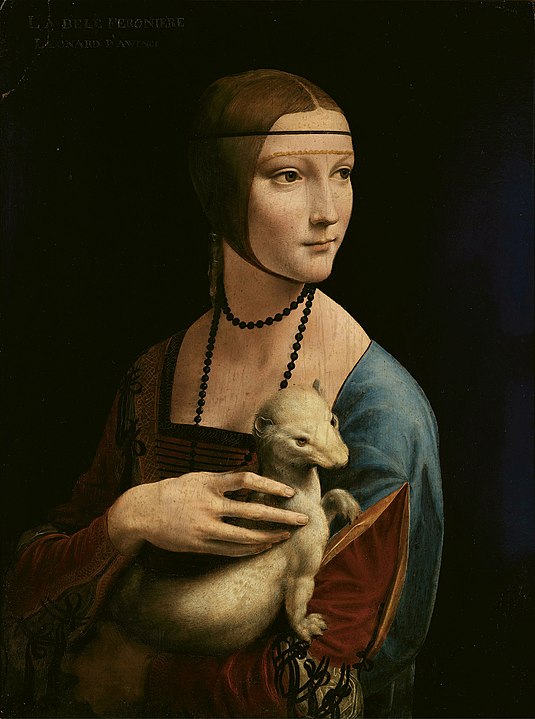
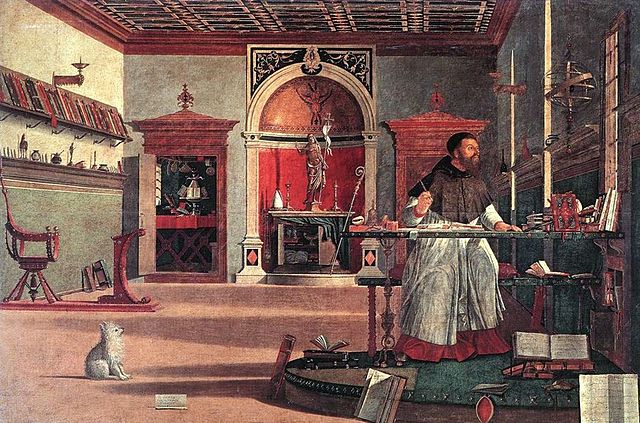

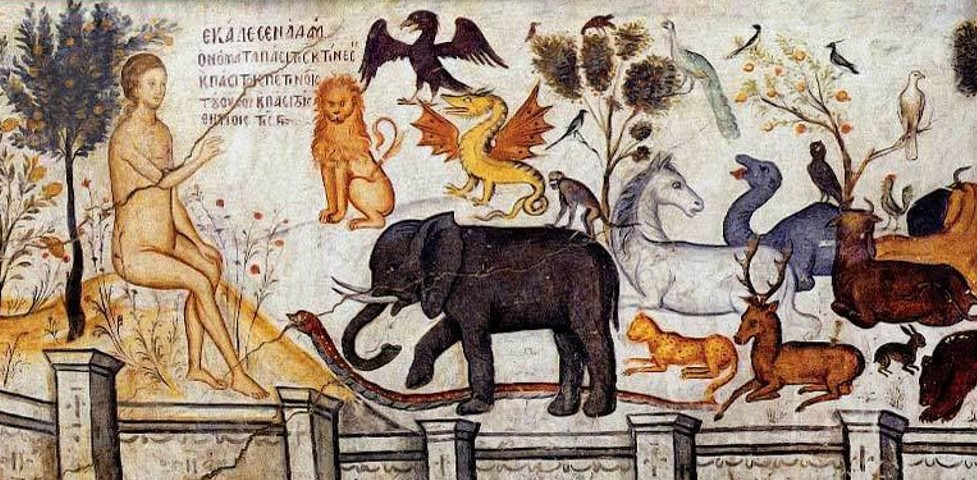


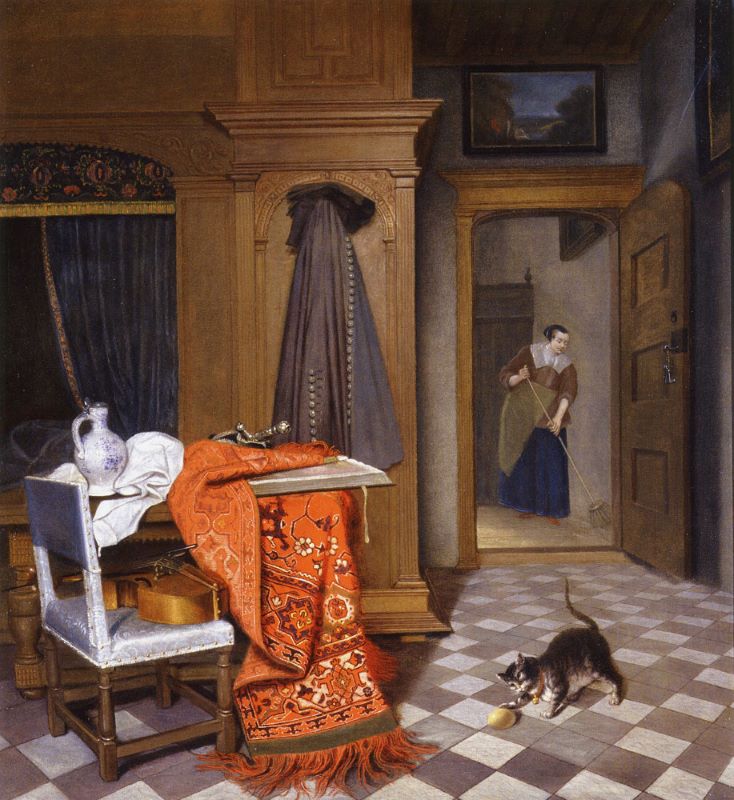
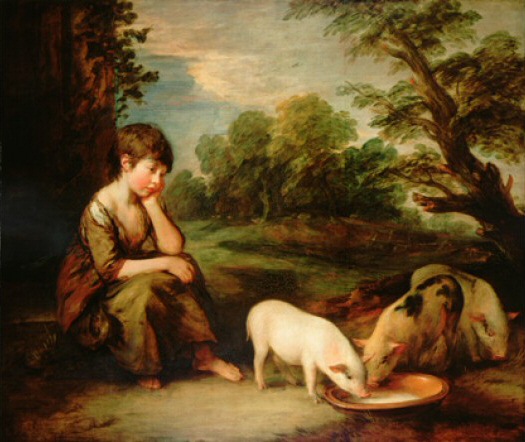


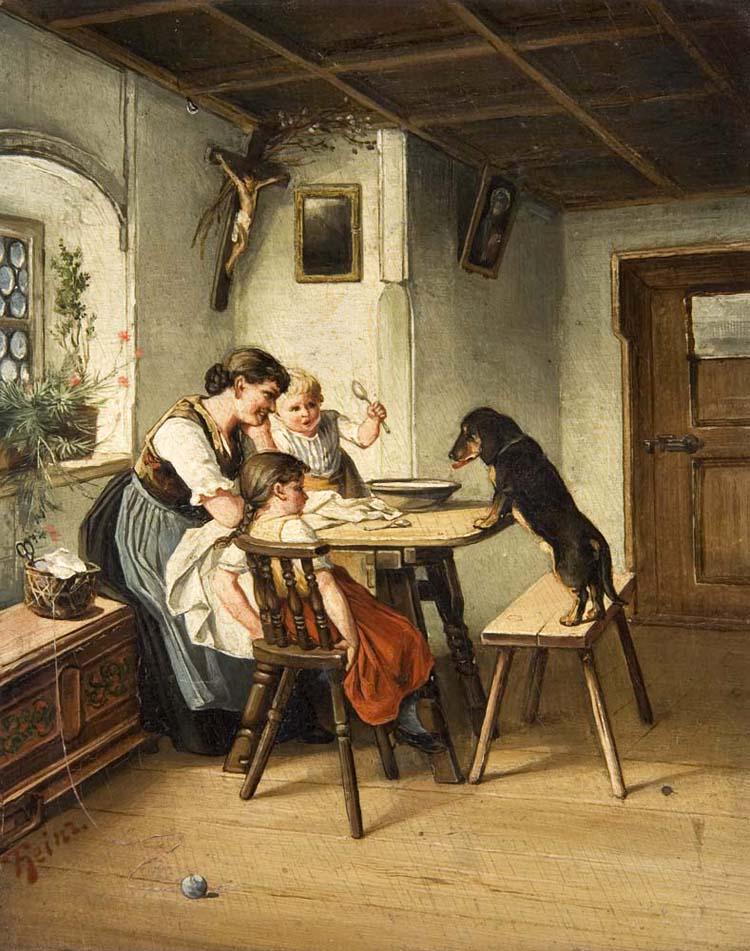
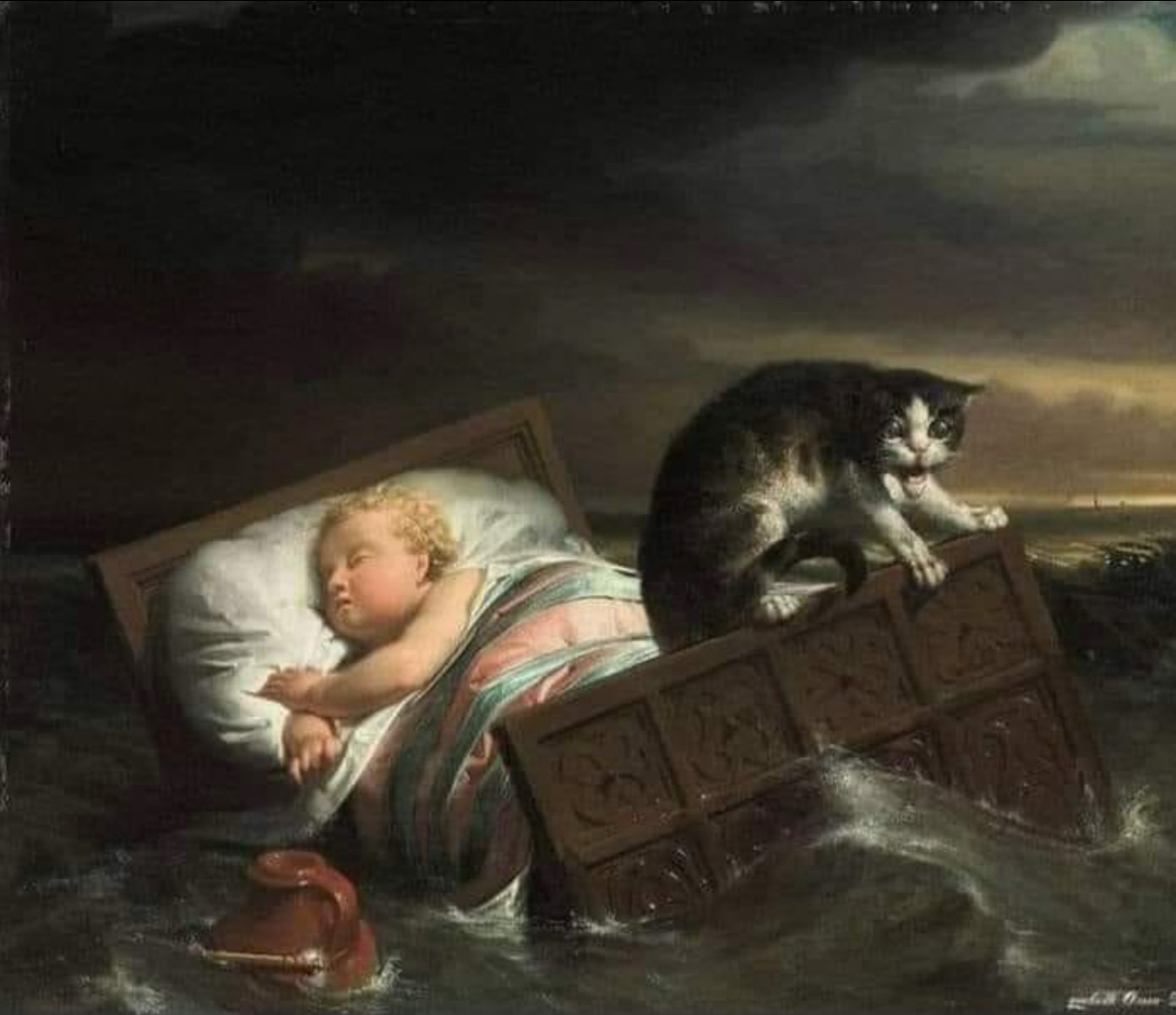


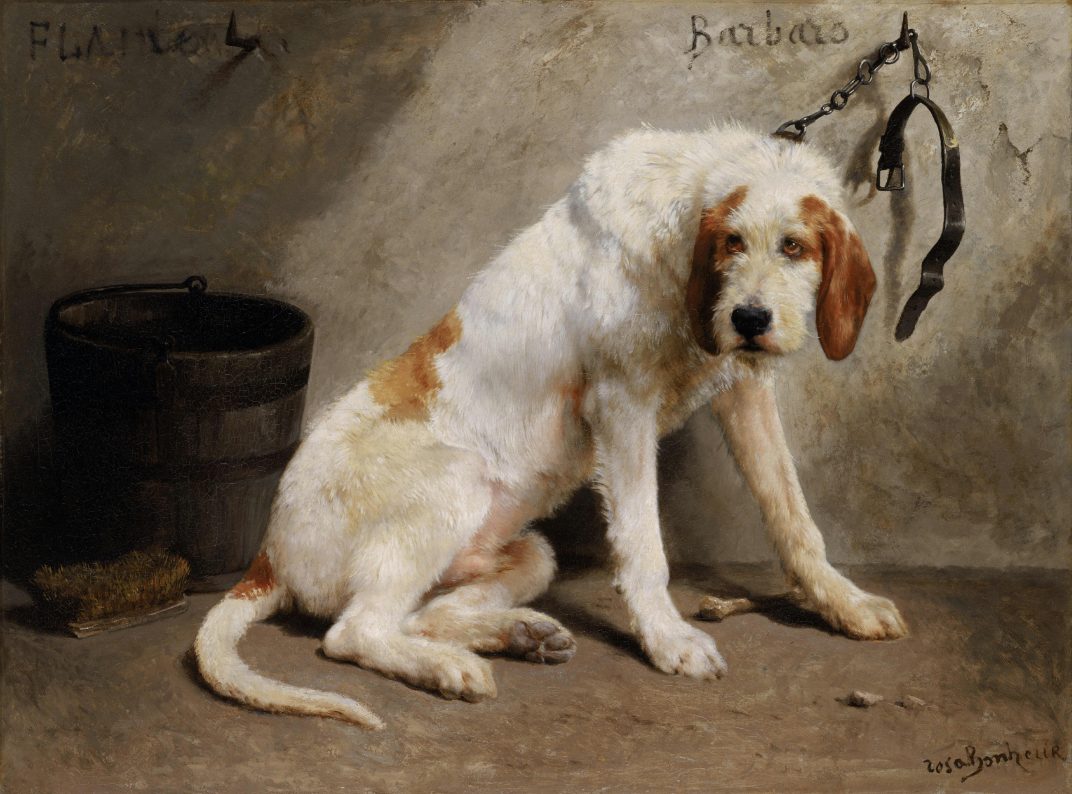
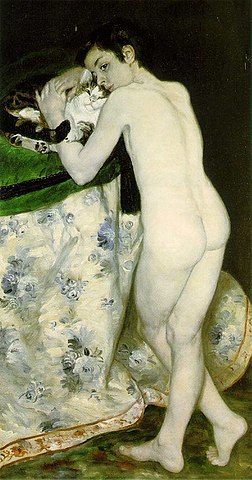
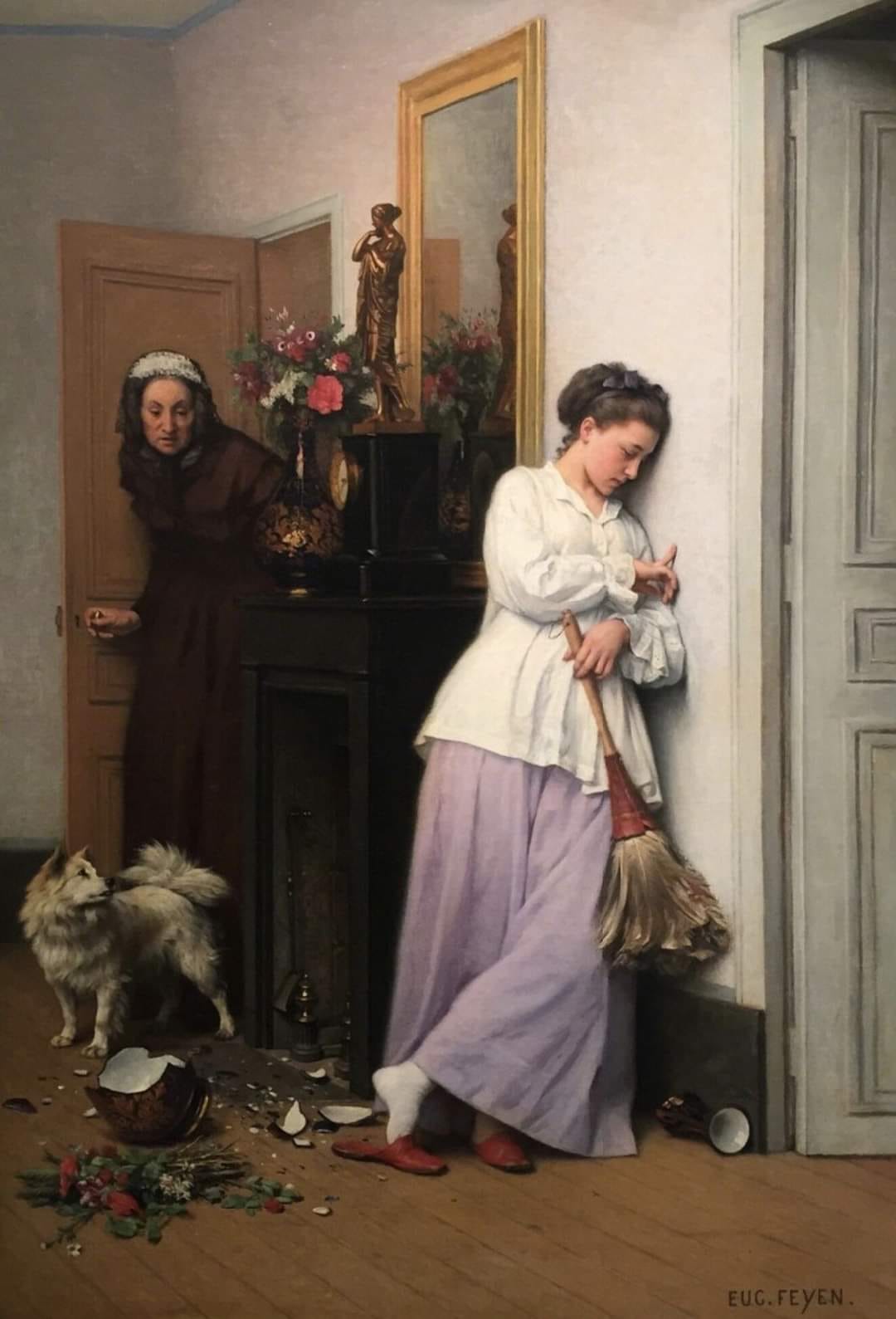
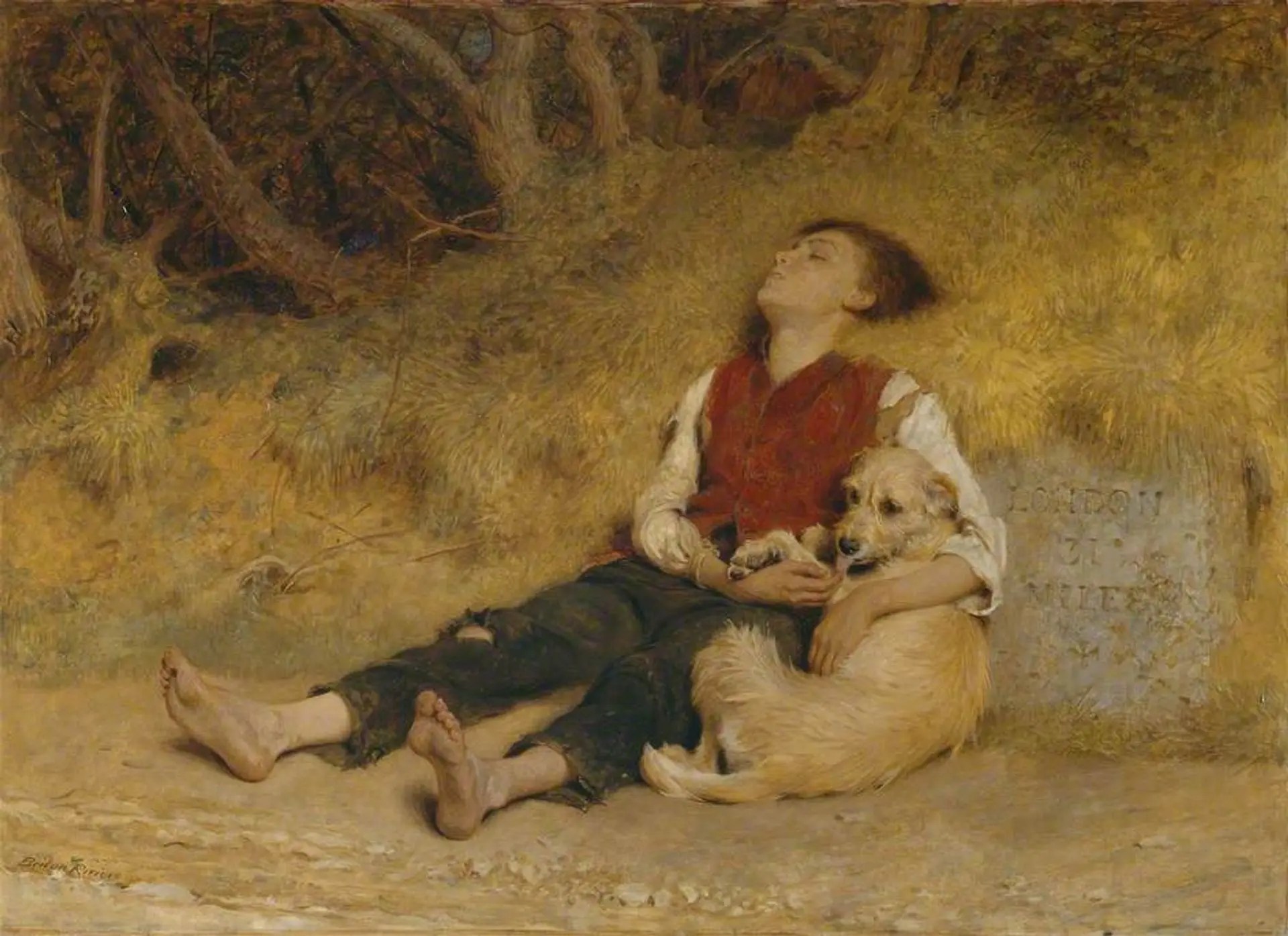

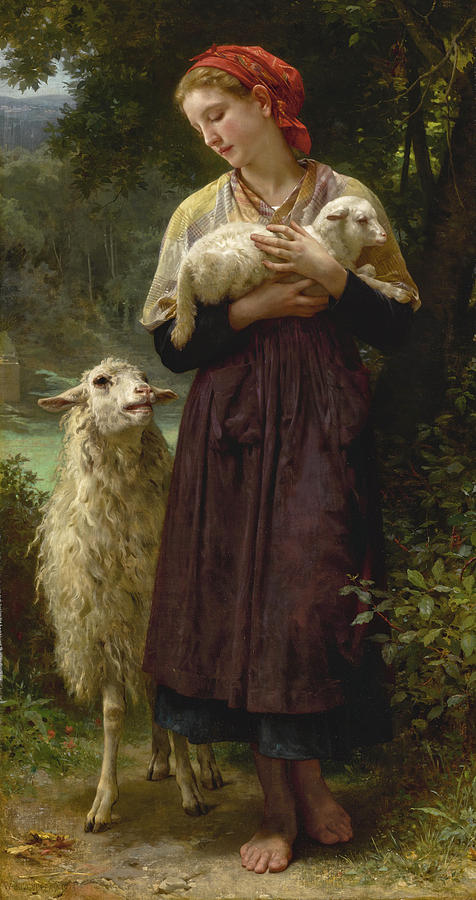
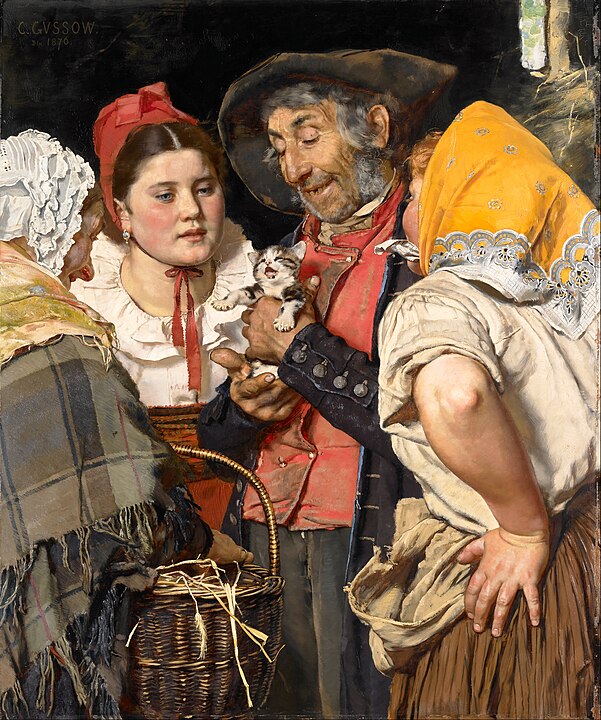
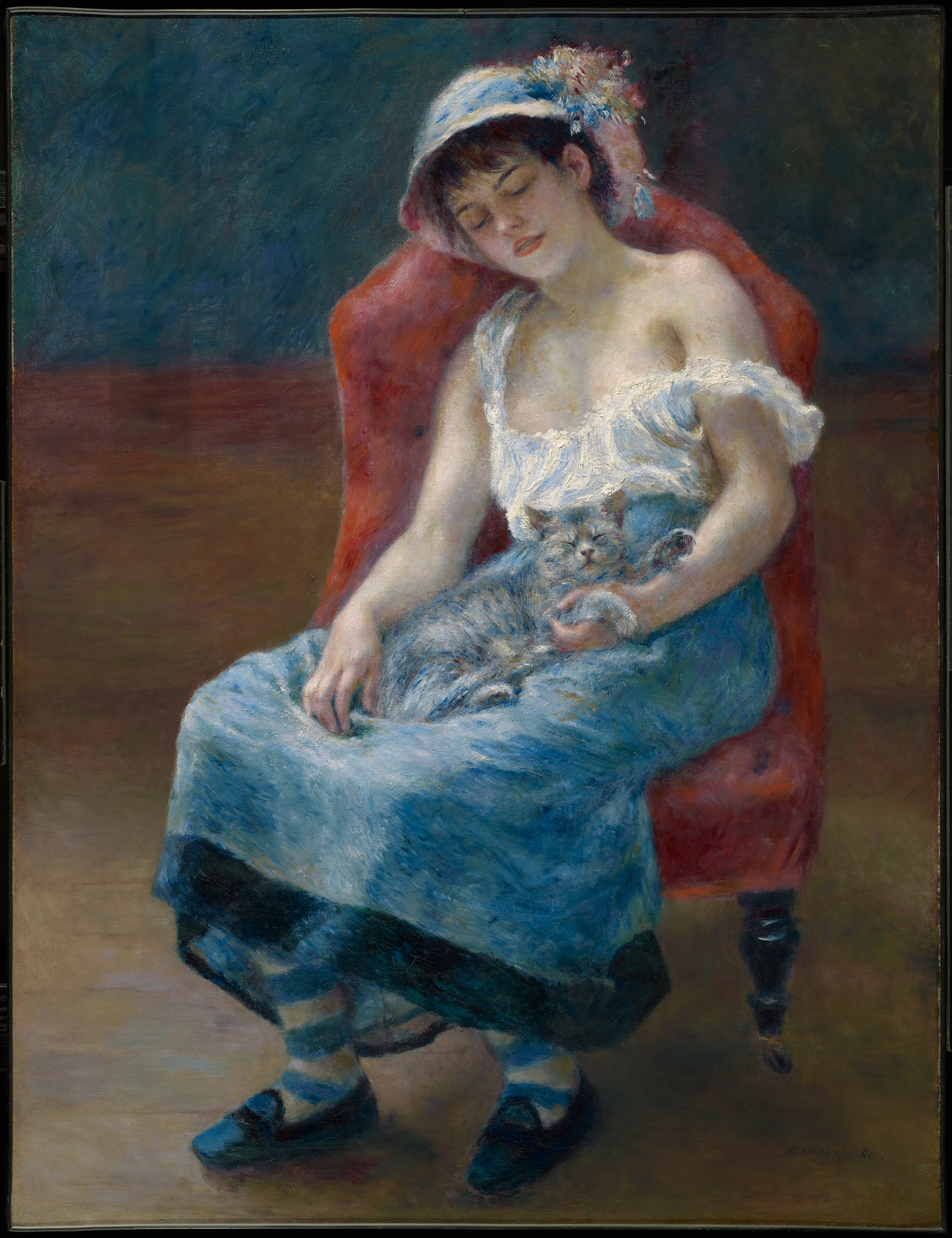
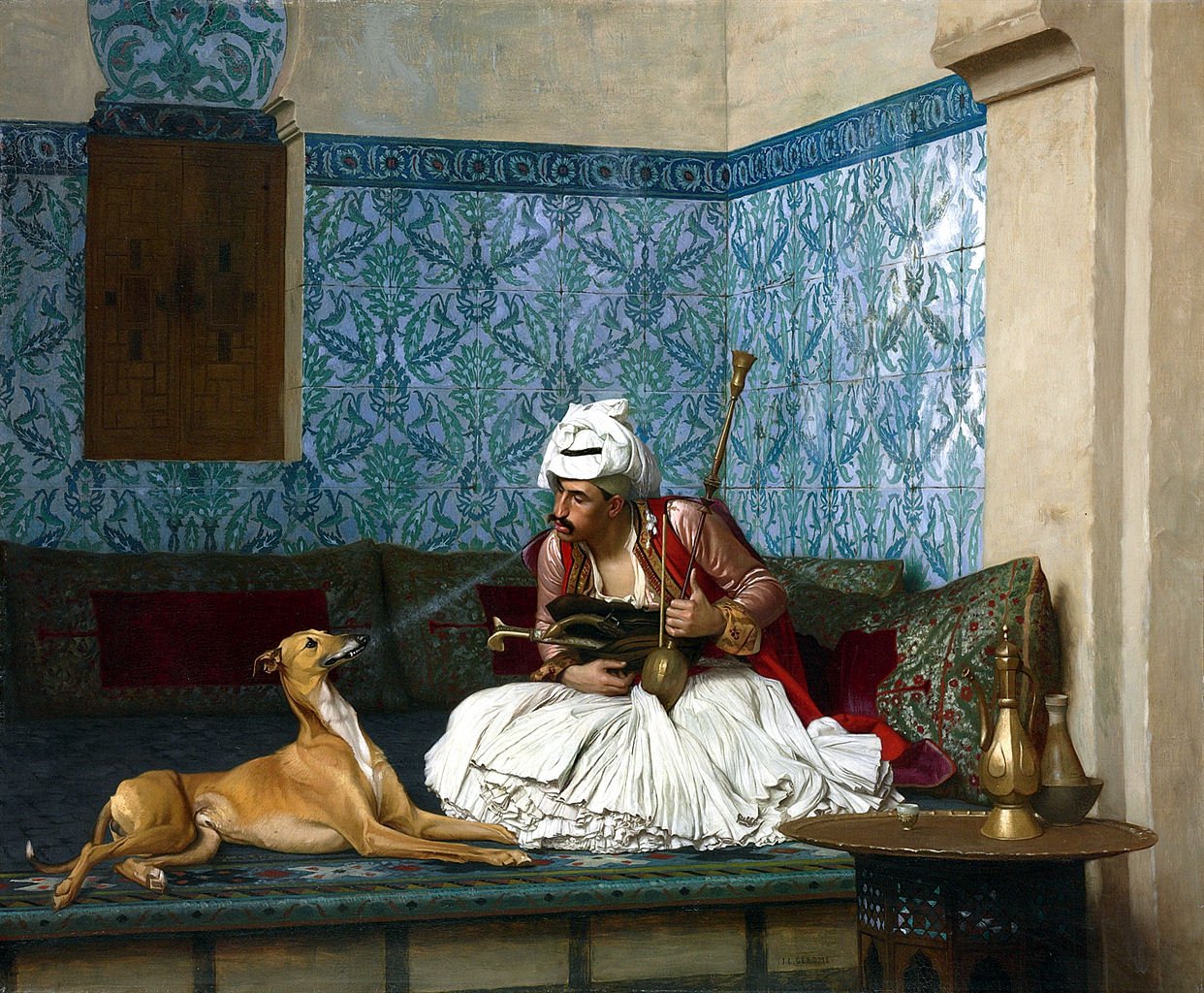


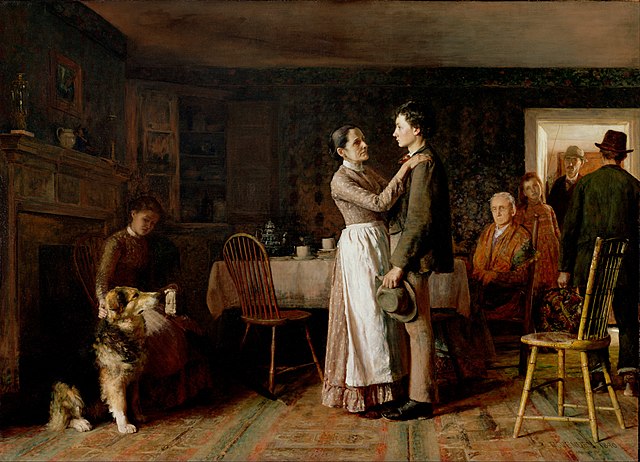
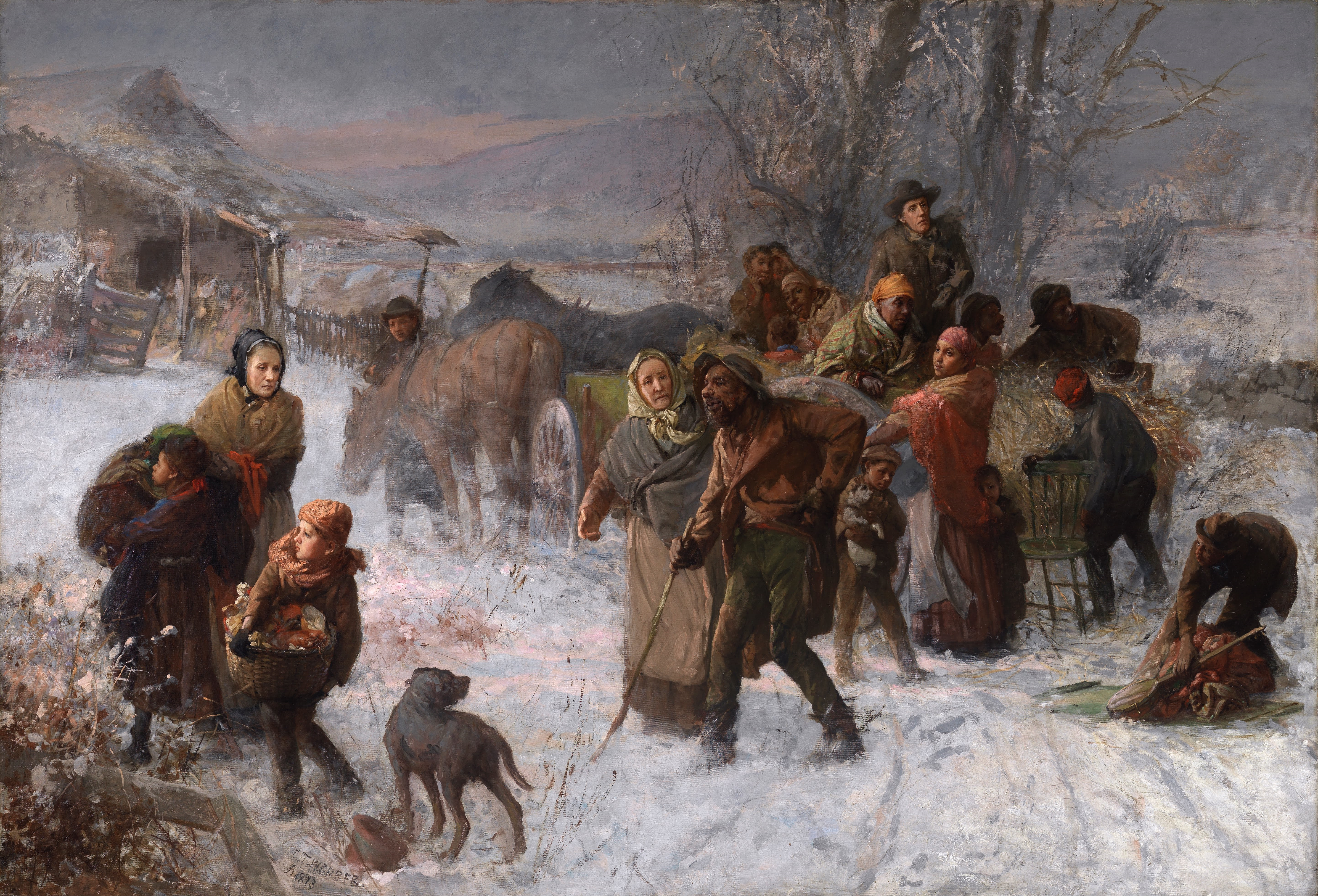

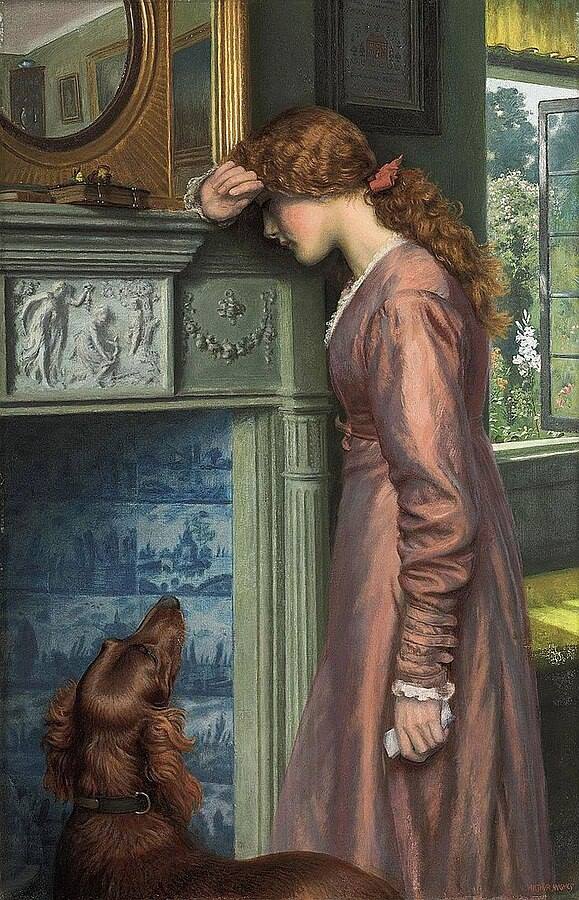

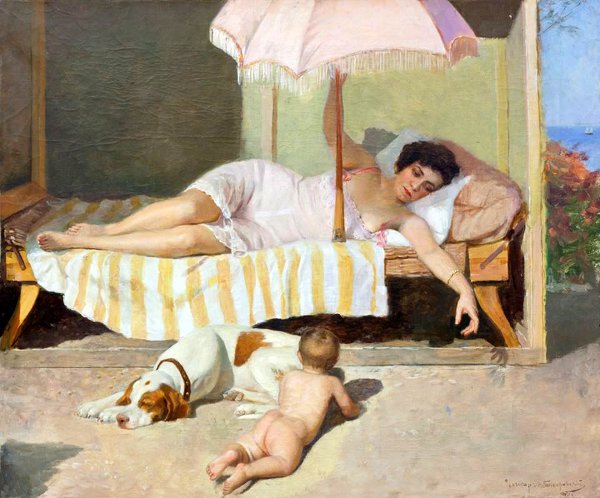
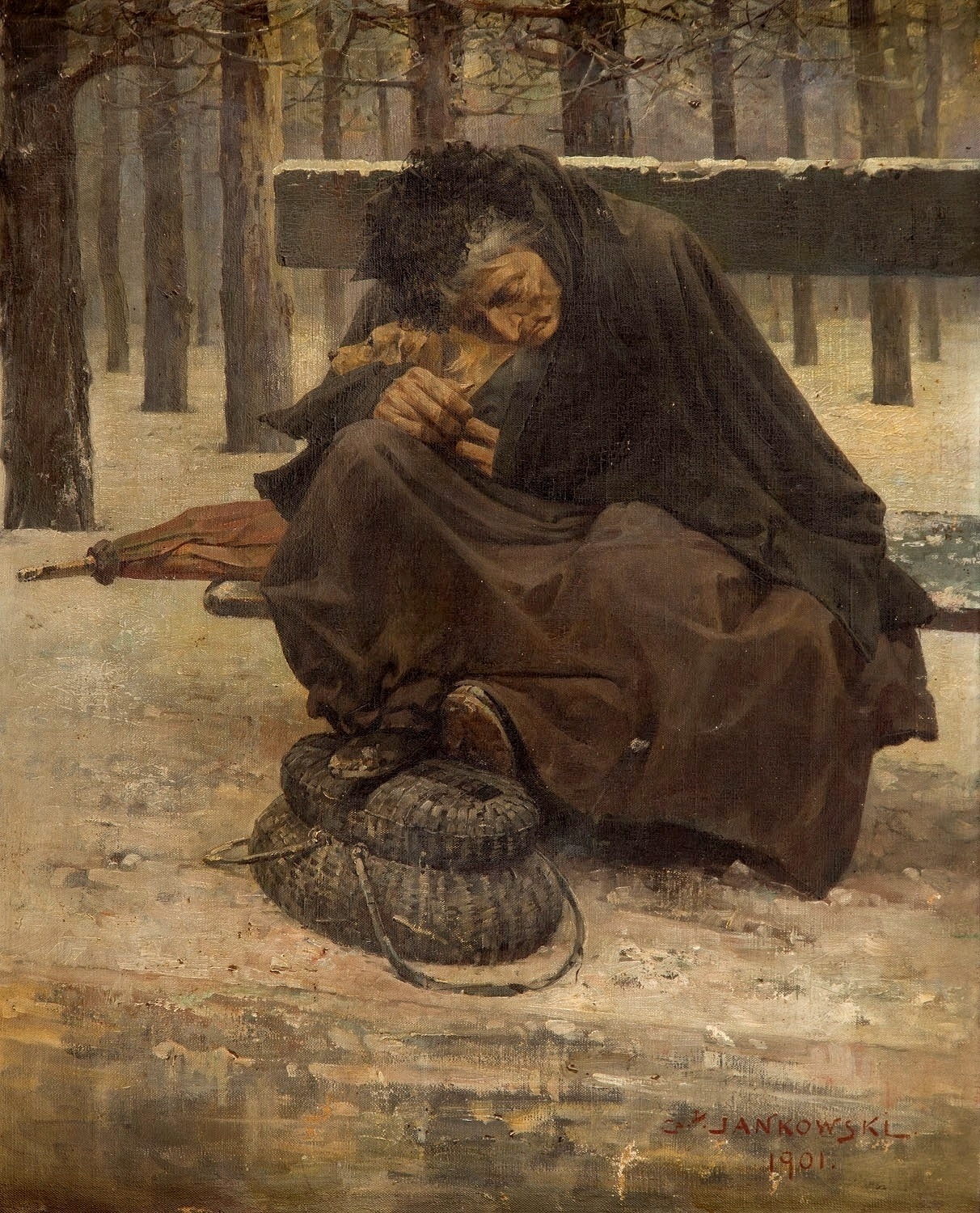
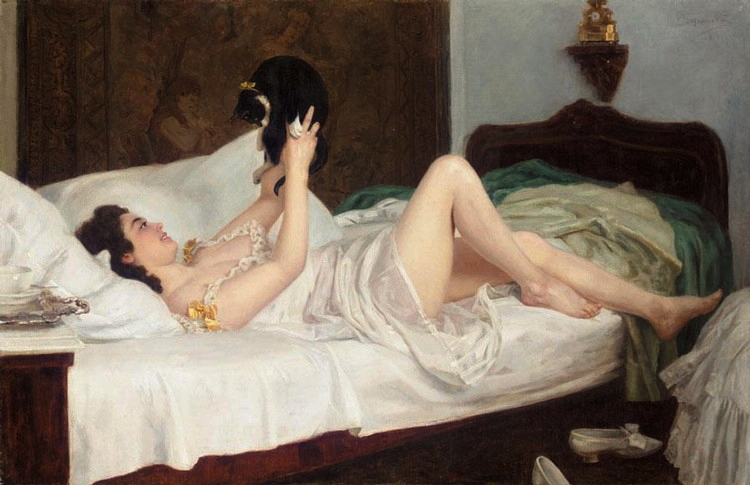


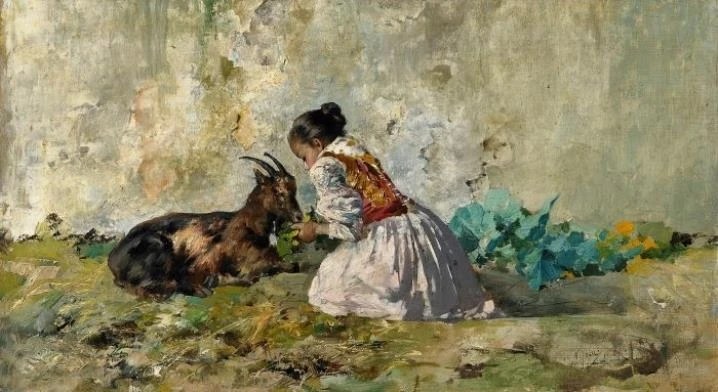
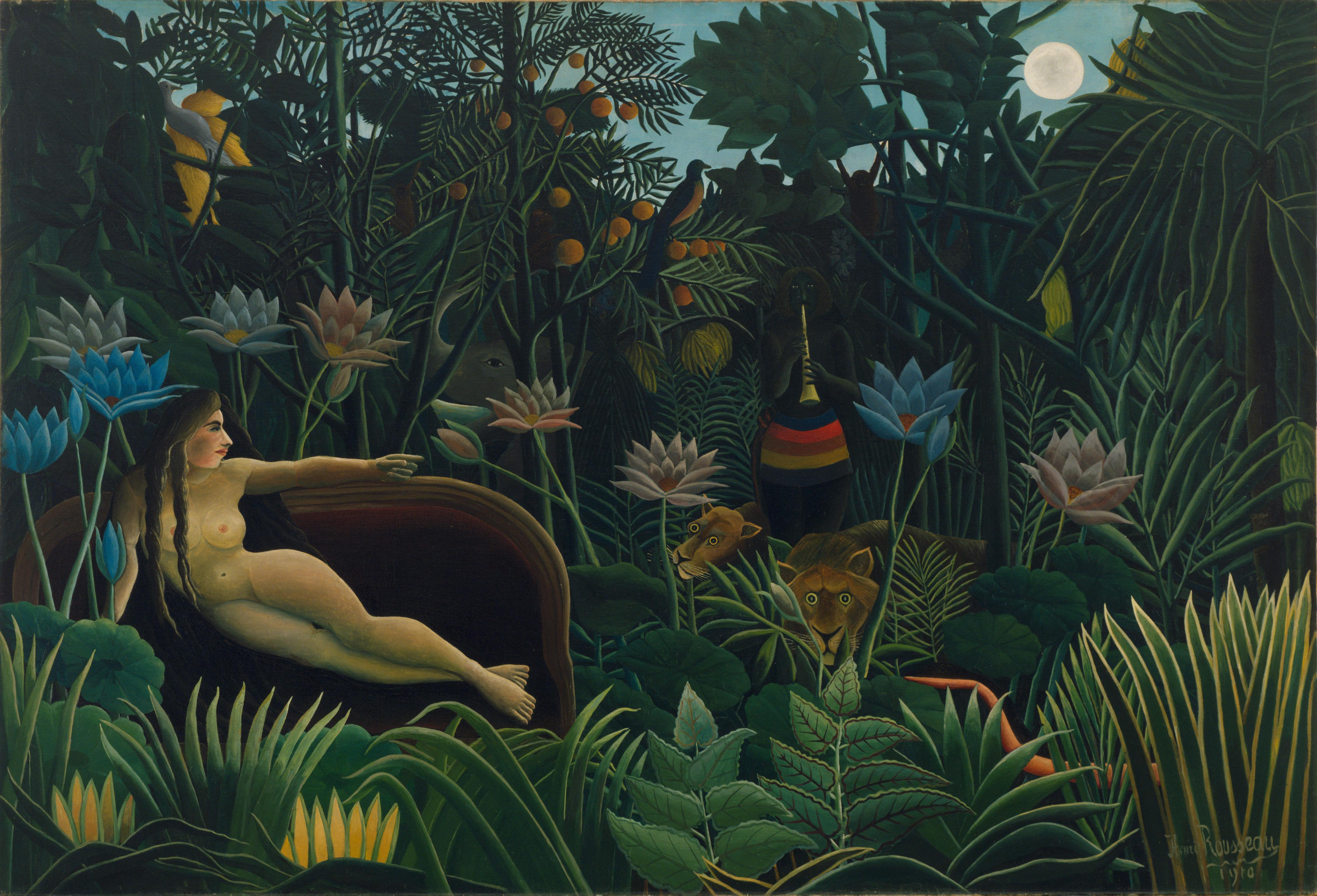


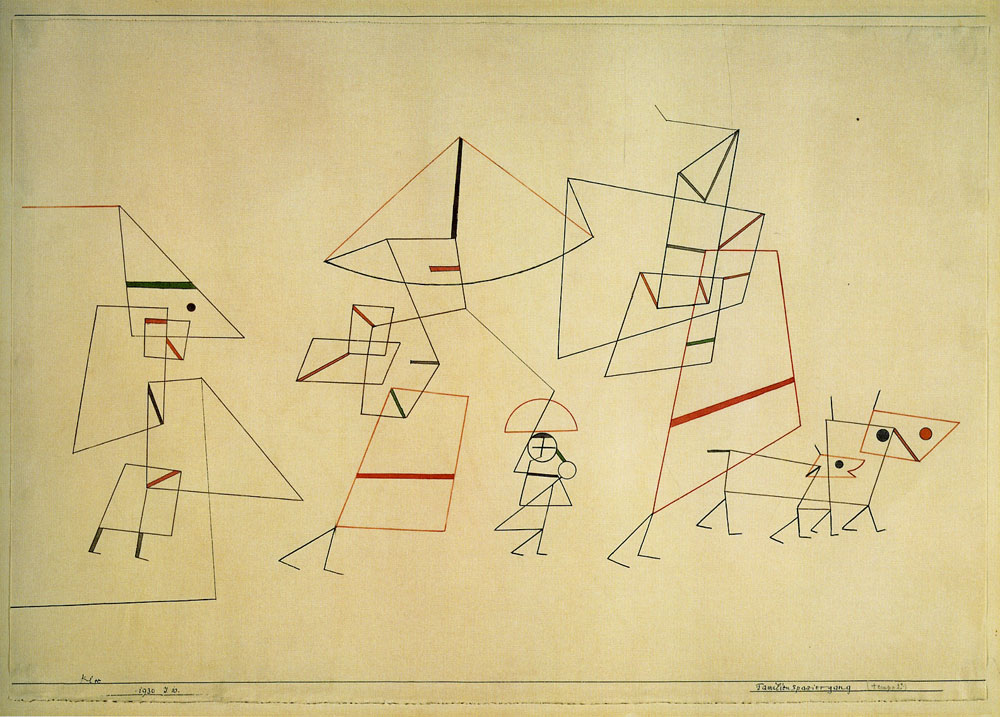
What is marvelous to see in this collection of paintings is that these European and U.S. artists (many of whom frequently depicted animals in their art) reveal sensitivity, affection, and respect between humans and other species in everyday life. This selection of artwork illustrates that a casual, mutual, often loving relationship with other animals is nothing new, but old as time. Most of these paintings pair young people with animals they care for, especially when regarded as family. Look closely and you’ll see that the animals depicted in these paintings see and hear everything, often with greater attention and insight than their human counterparts.
We also find echoes of subject, style, and form throughout this gallery. Consider how the painting by Ubertini (widely known as Bacchiacca), Portrait of a young lady holding a cat (1525-30) resonates with da Vinci’s earlier Lady with an Ermine (1489-1491). Compare these to Valadon’s Louison and Raminou (1920), where the cat is supported rather than held, and Louison looks thoughtfully at the cat rather than at the viewer or into the ether. Bloch’s In a Roman Osteria (1866) was inspired by Marstrand’s Italian Osteria Scene, Girl welcoming a Person entering (1847). Bloch gives his human characters a very different attitude than Marstrand, yet notice how in both paintings the animals present are excluded from enjoying the meal and all interactions in a public space, which is human space. This exclusion is taken further in Millais’ Isabella (1849) based on Boccaccio’s Decameron novel Lisabetta e il testo di bassilico, where Isabella is comforting her frightened dog who is being kicked by one of her violent brothers.
Along with Isabella, our gallery includes other paintings that depict cruelty toward animals, including Bonheur’s Barbaro after the Hunt (c. 1858) and Gérôme’s Arnaut Blowing Smoke in His Dog’s Nose (1882). Juxtaposed with the many examples of affection, these paintings highlight the animals’ own subjectivities – the discomfort, betrayal, and misery they may be experiencing within their human relationships.
In contrast, there are five paintings of women giving food or drink to animals. Look at Reichert’s domestic scene, Feeding Dog (n.d.), with a young dachshund, front paws upon the kitchen table, wanting to be fed. The mother, bemused, leans on her left hand and permits this quiet challenge to domesticity, the gender-coded promise of hearth and home. Yet above them hangs a large crucifix which reframes what’s happening below as a fulfillment of faith: Proverbs 12:10 states, “the righteous care for the needs of their animals.” Here the dog appears a quiet mediator between that precept and the family gathered beneath.
Consider, too, the transformation of Gérard’s The Cat’s Lunch (n.d.) to Vallotton’s Squatted woman offering milk to a cat (1919) a century later. Was Gérard a reference for Vallotton? The color palette and the position of the women squatting while giving drink to their cats suggest this possibility. Yet Vallotton’s woman is naked, like the cat, as she offers the cat a drink of milk; her form evokes ancient depictions of fertility goddesses as her maternal presence nurtures the cat. She crouches down on the cat’s level. There is greater affinity between human and nonhuman animal here than in earlier paintings, and the simplified color blocking foreshadows a period of modernist art. The more I think on Vallotton’s painting the more important it becomes.
The 1800s, especially, was a period of anecdotal genre painting depicting human interactions with other animals in everyday life. Other paintings capture moments when life is suddenly upended – a fire, a flood, a young man leaving home, a journey through the Underground Railroad – scenes of danger, separation, courage, and profound emotion. The depth and range of feeling engendered in these scenes are also found in the various depictions of grief and mourning in our gallery for the Green Pet-Burial Society.
At the end of the century, with John Collier’s Circe (1885), we see the intimacy of reclining women, naked or in nightgowns, with animals. Bodarevsky gives us two paintings of women lounging in bed, Sunbathing (c. 1900) and Her Favourite (1905), with the latter showing a young woman gently lifting her black cat above her, a gesture echoed decades later in Picasso’s Lying female nude with cat (1964) (click here for image). Another shift takes place: in conversation with Circe is Rousseau’s almost surreal Le Rêve, a.k.a. The Dream (1910), where a nude, light-skinned woman reclines on a sofa amidst the jungle animals while a dark-skinned musician, barely visible except for the flute and brightly striped wrap, plays among the foliage.
In addition to private and public spaces, Circe and Le Rêve, along with others, showcase another sphere – that of wilderness. Still, for Rousseau, cultural histories and associations of the divan, flute, and multicolored wrap present a choreography of nature and culture.
Race and gender also emerge as dimensions that complicate representations of our relationships with other animals, raising questions about power, identity, and the ways these relationships are shaped by culture and history. These questions require fuller examination than this essay can provide, particularly in their historical context.
By 1920, Suzanne Valadon’s Louison and Raminou doesn’t just show the interaction between a human and a cat, but blurs any preconceived notions of difference to heighten their affinity with one another – their sameness in the coloring of the cat’s fur and Louison’s face, hands, and hair. This is further illustrated by Klee in 1930 with his Familienspaziergang (Tempo II) (Family Walk) – parents, children, and dogs are essentialized as stick figures with the same coloration. The only difference is their shapes.
Throughout this brief history of painting, we find humans either bundled up in clothing, which in many ways defines their character and adds tension to the scene, or they are as naked and free as the animals in their midst, as seen with Theophanes, Caravaggio, Renoir, Collier, Larsson, Bodarevsky, Rousseau, and Vallotton. Sorolla’s horse in The Horse’s Bath (El baño del caballo) (1909) hints at this freedom; horses are, unfortunately, often tethered. Being with animals and in nature can relax our uncovered human forms – we learn from other animals to simply be and are naturalized. In Klee’s painting, the figures’ essences are released, transparent, and unencumbered by clothing or bodies.
What other parallels, contrasts, and meanings do you see in this collection?
We continue to expand our galleries – please visit again.
Support the Galleries
Your generous donation helps us expand our collections and create a more interactive experience within our galleries. Support our mission.
Historical Survey • Global Perspectives • Contemporary Gallery
❖ Sister Exhibition: Animals, Nature, and Grief (Green Pet-Burial Society)
Originally published: 11/20/2022 · Updated: 9/9/2026

